
Family Traditions
15 Simple Christmas Traditions to Start With Your Kids
Meaningful, affordable and flexible Christmas traditions that create special family memories, with ideas that can work for children with different needs and interests.

Family traditions give children something familiar to return to each Christmas, but they do not need to be expensive, elaborate or identical from one household to another. A tradition can be as simple as choosing one decoration, sharing a favourite breakfast or watching the same film in comfortable clothes.
The most sustainable traditions fit your family’s actual time, budget, energy and interests. Start with one idea that feels enjoyable, adapt it freely, and let children participate in ways that work for them. Watching, choosing, joining for five minutes or repeating the same part each year can all be meaningful participation.
Quick Tradition Ideas
A few simple and flexible ways to bring Christmas joy into your family routine.
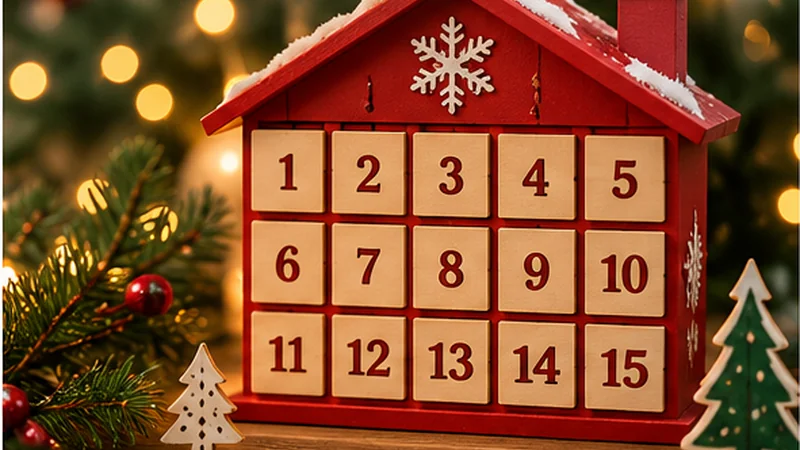
Build excitement with a simple daily activity.
See tradition 1 →
Try easy, no-pressure Christmas treats.
See tradition 3 →
Pick a family favourite and make it a tradition.
See tradition 4 →
Do something small and kind for others.
See tradition 10 →15 Christmas traditions to make your own
Choose the ideas that feel manageable. You can simplify them, combine them or return to just one favourite each year.
Create a simple advent countdown
Use a reusable calendar, numbered envelopes or small activity cards to make the days before Christmas easier to understand and anticipate. Activities might be “read a story”, “choose a song” or “put one ornament on the tree”; there is no need to buy a present every day.
Start with the final week if a full month feels like too much. Paper pockets taped to a wall, folded notes in a jar or numbers written on lunch bags all work as low-cost versions.
Make it flexible: Show the activity before opening it, allow a swap or skip option, and use pictures instead of words where helpful.
Decorate the Christmas tree together
Invite children to choose colours, select a few ornaments or decide where decorations go. Participation can mean hanging every ornament, adding just one favourite, passing decorations to someone else or simply watching while familiar music plays.
Use paper decorations, ribbon, family drawings or natural items if you want to keep costs low. Place breakable or sentimental pieces out of reach and secure the tree if climbing, pulling or enthusiastic exploration is likely.
Make it flexible: Decorate in short sessions, turn flashing lights to a steady setting, or let the child decorate a small tabletop tree in their own way.
Have a Christmas baking day
Choose one achievable recipe: biscuits, cupcakes, fruit skewers or a no-bake slice. Prepare ingredients before children join, divide the task into simple steps and let each person choose whether to mix, cut, decorate, taste or package the treats.
Ready-made biscuits with icing are an easy alternative to baking from scratch. Families who avoid cooking or sticky textures can arrange packaged treats on a plate, decorate paper biscuit shapes or make a Christmas snack board instead.
Make it flexible: Check allergies and dietary needs, offer tools for children who dislike touching ingredients, and treat tasting as optional.
Start a Christmas movie night
Choose a familiar film, episode or short video and watch it at roughly the same time each year. Add easy comforts such as pyjamas, a favourite snack, blankets or a clearly planned intermission.
A borrowed library DVD or existing streaming subscription keeps the tradition inexpensive. The “movie” can be twenty minutes long; what matters is a relaxed shared ritual, not finishing a feature film.
Make it flexible: Adjust volume and lighting, keep subtitles available, allow movement and breaks, and provide a quiet activity for anyone who prefers not to watch.
Make a handmade Christmas ornament
Create one ornament from paper, cardboard, salt dough, ribbon or recycled packaging. Add the year, a drawing, a handprint or a photograph if the child wants to. Over time, the collection becomes a simple record of changing interests and skills.
Provide a small choice of materials rather than a crowded craft table. Pre-cut shapes and reusable stickers can make the activity accessible, and a decorated gift tag can become an ornament with a loop of string.
Make it flexible: Focus on enjoyment, not a polished result. An adult can help with cutting or assembly while the child chooses colours and placement.
Read a Christmas story together
Return to a favourite picture book, chapter, poem or family story each December. Borrow from the library, exchange books with friends or revisit something already on your shelf rather than buying a new title each year.
Reading together can include listening to an audiobook, looking at pictures without reading every word, using character voices, acting out a scene or choosing objects that match the story.
Make it flexible: Match the length and format to attention, interests and communication style. Stopping after a few pages is still a shared story time.
Take an evening Christmas lights walk
Choose a short, familiar route and look for favourite colours, characters or decorations. Walking close to home costs nothing and makes it easy to return early. Older children might photograph a favourite display or mark lights on a simple neighbourhood map.
Check the route in daylight, use safe footpaths and bring weather-appropriate clothing. A drive, an early-evening visit before crowds arrive or viewing your own lights from a window can offer the same seasonal cue.
Make it flexible: Avoid busy streets, flashing displays or long outings when these are uncomfortable. Headphones, sunglasses and a clear finish time may help some children.
Create a Christmas Eve box
Place a few practical or comforting items in a reusable box: cosy socks, a favourite book, pyjamas, a snack, a visual plan for the next day or an item already owned and loved. The box is a transition ritual, not an extra round of expensive presents.
Reuse the same container every year and include only what fits your family. A library book and homemade voucher for breakfast together can make a complete box.
Make it flexible: Let the child know what to expect, skip surprise wrapping if it causes anxiety, and include familiar items rather than assuming novelty is more exciting.
Make a family Christmas playlist
Invite each family member to contribute one song, instrumental track or sound they enjoy. Play the list while decorating, travelling or having breakfast, and save it to revisit next year.
A playlist can be short and can include non-Christmas music if that is what feels festive to your family. Write song titles on paper and draw one at a time if you prefer a screen-free version.
Make it flexible: Do not assume everyone enjoys Christmas music. Keep volume comfortable, offer headphones or quiet listening, and allow people to opt out.
Do a small act of kindness
Make a card, thank a delivery driver, bring a neighbour’s bin in, donate suitable items together or leave a supportive note for someone. Choose an action that is concrete, manageable and connected to people your child knows.
Kindness does not require spending money. Helping set the table, choosing an item to share or drawing a picture can be meaningful contributions.
Make it flexible: Offer a genuine choice and avoid presenting charity or social interaction as an obligation. Private, practical kindness counts.
Take a yearly Christmas photograph
Photograph a comfortable family moment rather than staging a formal portrait. Use the same location, favourite decoration or activity each year, or take a candid picture during baking, reading or a lights walk.
A phone photo is enough. You could also save a drawing, record a short voice note or photograph a favourite object when a person does not want to be in the image.
Make it flexible: Never require posing, smiling, eye contact or uncomfortable clothing. Ask permission where the child can communicate it and stop when they have had enough.
Create a Christmas craft afternoon
Offer two or three straightforward activities such as paper chains, cards, colouring pages or gift tags. Put materials into separate trays so the child can see the choices without facing a crowded table.
Use recycled paper, catalogues, cardboard boxes and supplies already at home. A craft afternoon can last fifteen minutes, and unfinished work does not need to be completed later.
Make it flexible: Participation stays optional. Provide low-mess materials, easy-grip tools or a non-craft alternative such as sorting colours or choosing stickers.
Enjoy a Christmas breakfast tradition
Choose a familiar breakfast and add one seasonal detail: fruit arranged like a tree, toast cut into a star, a special mug or music at the table. Repeating the same meal can create anticipation without adding a demanding new event.
The meal can be cereal, toast or any family favourite. Prepare what you can the night before and invite children to help with one predictable task, such as setting out napkins.
Make it flexible: Respect allergies, dietary needs and safe foods. No one needs to eat a themed food for the breakfast to count as a tradition.
Start a family memory jar
Write down a favourite moment, add a drawing or print a small photograph, then place it in a jar or envelope. Read the memories after Christmas or save them for the following December.
Use scrap paper and any container you already have. Contributions can describe ordinary moments—finishing a puzzle, seeing a decorated bus or sharing a snack—not only major events.
Make it flexible: Children can contribute through words, pictures, symbols, photographs, gestures or by choosing between two suggested memories.
Let your child choose one Christmas tradition
Offer a meaningful choice between a few realistic activities: movie night or a lights drive, biscuits or paper chains, music or quiet story time. Put options into words, pictures or objects that suit how the child communicates.
Write the chosen activity on the calendar and repeat it next year if it remains enjoyable. Returning to one favourite can be more valuable than constantly adding novel experiences.
Make it flexible: Honour the choice within safe, practical limits, and allow the child to change their mind or participate differently on the day.

Making Christmas Traditions Work for Your Child
Meaningful traditions do not need to look identical across families. Children—including autistic children and children with sensory differences—have individual preferences, and the same adjustment will not suit everyone.
- Keep activities flexible, predictable and low-pressure.
- Offer meaningful choices and respect preferred interests.
- Consider noise, lighting, crowds, clothing and food textures.
- Use familiar routines, countdowns or visual supports where helpful.
- Allow breaks, small steps or a shorter version of the activity.
- Avoid requiring eye contact, photographs or social interaction.
- Remember that watching can be valid participation.
- Focus on shared enjoyment rather than a specific result.
Tips for Starting Family Christmas Traditions
One or two meaningful traditions are enough. Add more only when they bring enjoyment rather than pressure.
Choose activities you can repeat using ordinary food, library books, neighbourhood walks or materials already at home.
Familiarity can make an activity easier to anticipate and enjoy. There is no need to reinvent it every year.
Children’s interests, access needs and family circumstances evolve. Adapt or pause a tradition whenever needed.
The goal is connection, not a picture-perfect celebration or a schedule filled with activities.
Frequently Asked Questions
What are some easy Christmas traditions for young children?
Try one small, repeatable activity such as opening an advent card, reading a short Christmas book, decorating one biscuit, choosing an ornament or having a familiar movie night.
How can we celebrate Christmas without spending much money?
Choose activities that use what you already have: a neighbourhood lights walk, paper decorations, a family playlist, library books, a favourite breakfast or notes for a memory jar.
What are some sensory-friendly Christmas traditions?
Adapt lighting, sound, timing, crowds, textures and duration to the individual child. Familiar activities at home, quiet viewing times, visual plans, comfortable clothing and easy access to breaks can help.
How do I start a tradition if my child dislikes changes in routine?
Introduce one small activity in advance, show when it will happen, keep familiar parts of the day unchanged and make participation optional. Repeating the same manageable version can build familiarity over time.
What if my child does not want to participate in Christmas activities?
Watching, joining briefly or choosing not to participate are all valid. Offer low-pressure choices and keep a familiar alternative available rather than forcing involvement.
How many Christmas traditions should a family have?
There is no ideal number. One or two enjoyable traditions are enough. Keep the activities your family genuinely likes and let go of anything that adds pressure without connection.